DanceBox: Draw efficient routes to deliver polygons into boxes
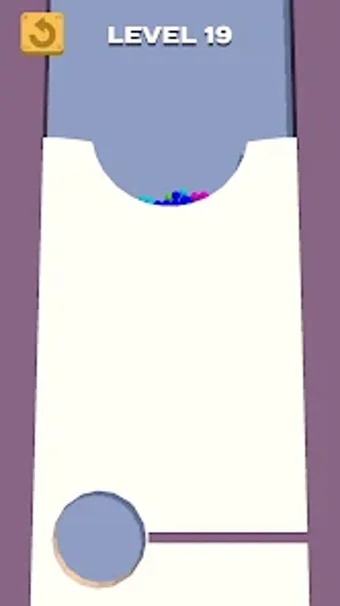
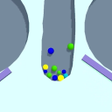
DanceBox from zuoyouyouxi is an Android puzzle that tests spatial reasoning by routing falling shapes. You draw touch-and-drag paths on screen to define descent routes, then watch polygons follow the lines, interact with white pieces that change color, and land in a target box. The app highlights shortest-route optimization, simple drag controls, a minimalist visual geometric aesthetic, and a color-transformation mechanic for puzzle variety. It targets casual mobile puzzle players who prefer short, logic-focused sessions with low entry complexity.
What kind of game is DanceBox?
The app is a casual, single-screen puzzle that turns route planning into the central challenge. Your goal is the efficient delivery of polygons into a target box, so play centers on spatial reasoning and path optimization rather than score-chasing or reflexes. Levels present geometric arrangements where the player decides a single path, then observes how interacting pieces alter the outcome, which makes the experience feel like a concise logic exercise you can revisit to improve solutions.
Does it have a multiplayer mode?
No multiplayer mode appears in the feature list; the design clearly scopes to solo puzzle runs. Controls use press-and-hold touch-and-drag gestures to draw each route, and the system rewards finding the shortest route to complete a level. White polygons change color when contacted by colored pieces, a mechanic that creates chained outcomes, so solving a single screen often depends on anticipating those interactions rather than competing against other players.
How steep is the learning curve?
Onboarding is minimal, which keeps initial friction low for casual players. The drag controls and single-path objective lower mechanical complexity, yet the puzzle depth grows as levels demand more efficient solutions. Players who enjoy iterative refinement can shave route length across retries; that emphasis on efficiency makes the challenge feel deliberate, not reflex-based, and suits short sessions where improvement is visible after only a few attempts.
What does the game look and sound like?
The visual presentation is minimalist, built from geometric shapes and plain color fields that keep attention on routing decisions. The title does not use music or rhythm mechanics, so audio does not drive gameplay. The interface relies on touchscreens, and recent updates note performance work alongside the introduction of advertisements, which affects session continuity for some players. The simple aesthetic and quick levels support repeat plays without long setup time.
Who should settle in with the app
As a compact mobile puzzle, the app suits players seeking brief, thought-focused breaks and those who enjoy improving single-screen solutions over repeated attempts. It rewards measured planning and pattern recognition rather than fast reactions. Players looking for narrative depth or social competition should expect a tight, solitary brain-teaser instead of a long campaign or multiplayer play; treat it as a small puzzle workout for spare moments.